The Chittagong Hill Tracts hold Bangladesh's only true mountain country: ridgelines that float above morning cloud, waterfalls hidden deep in the forest, and indigenous villages where the rhythm of life is its own quiet attraction. This is a guide to reaching Sajek and Bandarban from Dhaka, timing your trip with the seasons, and handling the permits and practicalities most first-timers get wrong.
Why the hills are worth the journey
Most of Bangladesh is flat, fertile delta. The Chittagong Hill Tracts, tucked into the southeast against the Myanmar border, are the dramatic exception: folded green ridges, deep valleys, and the highest ground in the country. For a Dhaka traveller used to river plains, the first sight of layered hills disappearing into haze is genuinely startling.
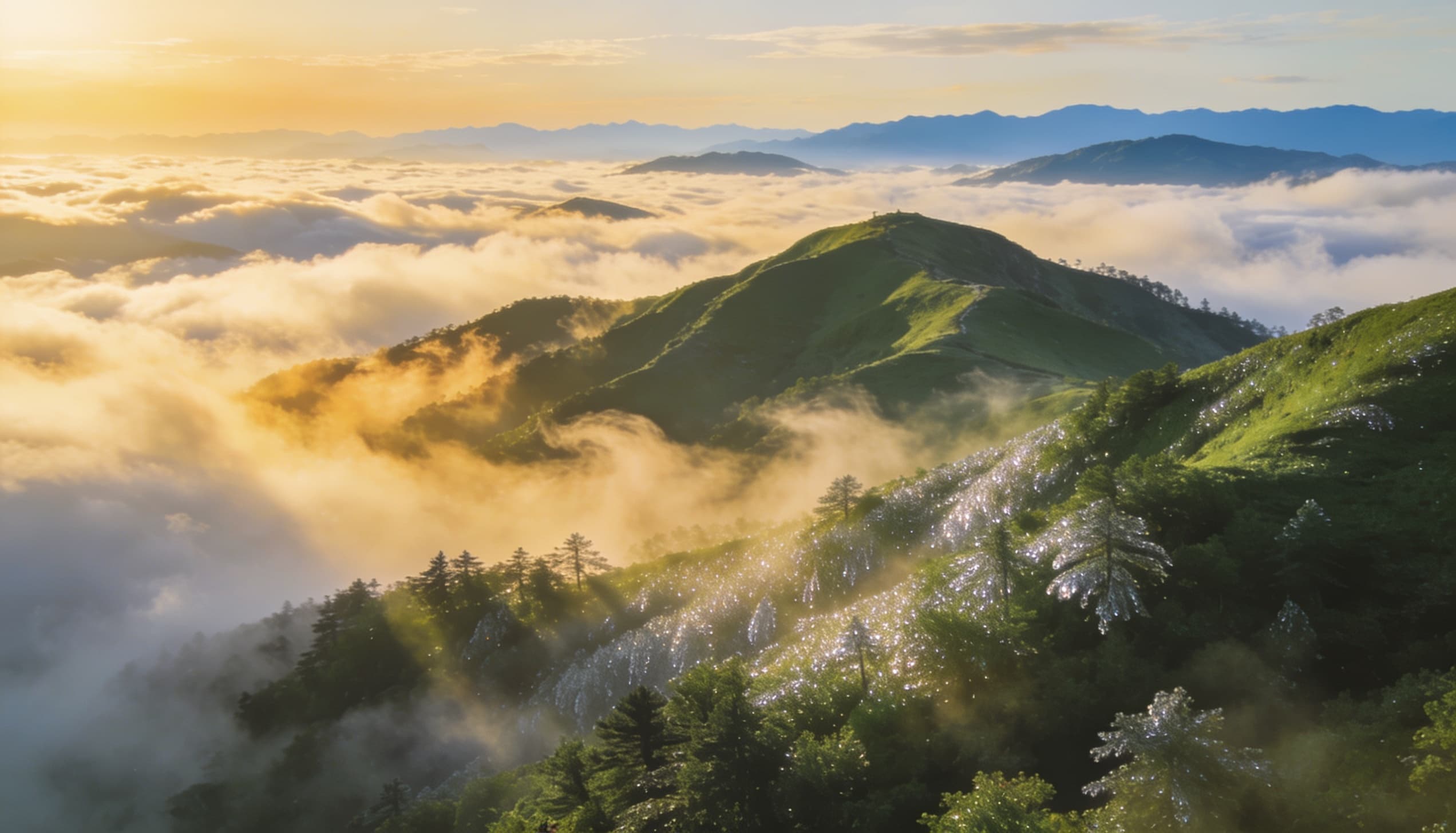
Two destinations anchor any trip. Sajek Valley, technically in Rangamati district but reached through Khagrachari, is famous for its 'sea of clouds' that pools in the valleys at dawn. Bandarban, the most mountainous district, is home to Nilgiri, Nafakhum waterfall, the Golden Temple and the country's tallest peaks.
You can do one or both, but they are not next door to each other despite looking close on a map. Roads in the hills are slow and winding. Treat Sajek and Bandarban as separate trips, or budget a long, tiring transfer day if you insist on combining them.
Getting there from Dhaka
For Sajek, the usual route is an overnight bus from Dhaka to Khagrachari (roughly 8 to 10 hours; non-AC fares from around ৳700 and AC coaches from around ৳1,200 to ৳1,500). From Khagrachari town you hire a Chander Gari (an open-top 4x4 jeep, the iconic hill vehicle) for the final two-to-three-hour climb to Sajek. A full-day Chander Gari reserve typically runs ৳8,000 to ৳12,000 depending on season and bargaining, so it pays to share with a group.
For Bandarban, take a bus from Dhaka to Bandarban town (again around 9 to 11 hours; similar fares to Khagrachari). Many travellers instead fly or bus to Chittagong first, then continue by road to Bandarban (roughly two hours) which can break up the journey and open more departure times.
From Bandarban town you again rely on Chander Gari, CNG auto-rickshaws, or hired motorbikes for the spurs out to Nilgiri, Chimbuk, Boga Lake and the trek-heads. Booking a vehicle and driver for your whole stay is far less stressful than negotiating each leg.
Permits, registration and the border-zone reality
The Hill Tracts are a sensitive border region, and access rules change with the security situation. At minimum, foreigners face additional restrictions, and even Bangladeshi travellers should carry National ID and be ready to register names at army or police check-posts along the way; your Chander Gari driver or guide usually handles this routine.
For deeper treks toward the Myanmar border (the Keokradong, Tajingdong and Boga Lake areas), guides and local registration are commonly required, and some routes open and close depending on conditions. Do not improvise here. Hire a registered local guide in Bandarban town and follow their advice on which peaks are currently permitted.
Before you commit dates and pay for non-refundable bookings, check the latest situation: ask your tour operator, your hotel in Sajek or Bandarban, and look for current travel advisories. Conditions in the CHT can tighten with little notice, so build a little flexibility into your plan.
Sajek: chasing the sea of clouds
Sajek's signature experience is dawn. On clear mornings between roughly October and February, cloud settles into the valleys overnight and you wake to white waves lapping below the ridge while the sun burns through. It is fleeting and weather-dependent, so plan at least two nights to give yourself two chances at a clear sunrise.
Beyond sunrise, Sajek is small and made for slowness: walk to Konglak Para (the highest hilltop point), watch sunset from Helipad, sip green coconut, and visit Lusai and Pankhua indigenous villages. A short Chander Gari hop can take you to Hajachara or other nearby waterfalls.
Accommodation ranges from basic bamboo cottages to comfortable resorts; expect roughly ৳2,000 to ৳6,000 a night, climbing sharply on weekends and holidays when Sajek fills up. Power can be limited to certain hours, so carry a power bank and don't expect strong mobile data.
Bandarban: Nilgiri, Nafakhum and the high peaks
Bandarban rewards a longer, more active itinerary. Nilgiri, the cloud-wreathed resort hilltop run by the army, offers some of the country's most photographed views and is best at sunrise or in clear afternoon light; the Chimbuk range en route is itself a highlight. The Golden Temple (Buddha Dhatu Jadi) near town is a serene, ornate stop worth an hour.
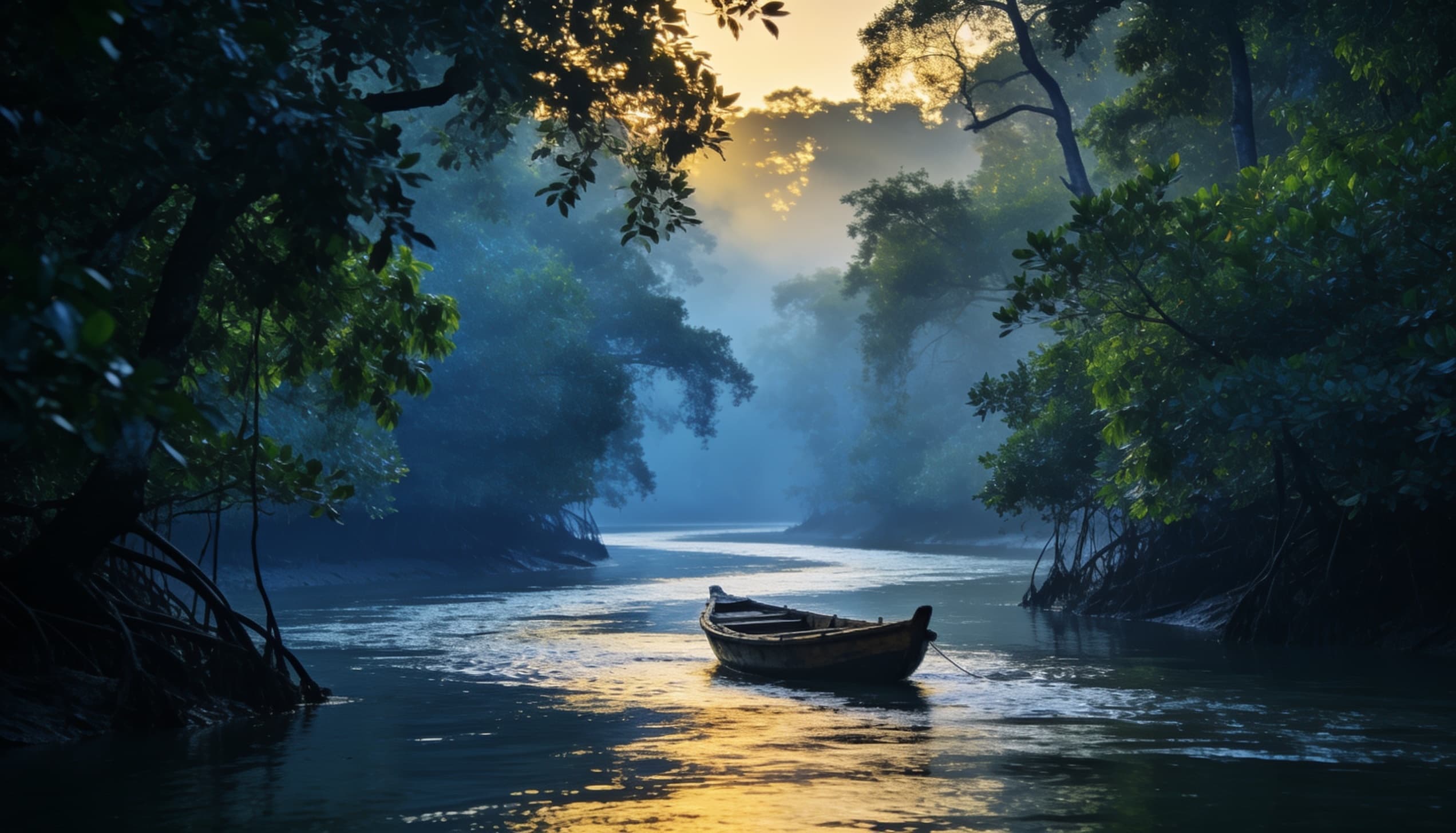
For the adventurous, Nafakhum waterfall is the marquee trek: a journey to Remakri by boat along the Sangu River, then a forest walk to one of Bangladesh's most powerful falls. This needs a guide, a couple of days, and decent fitness. Boga Lake, a deep crater lake high in the hills, is another classic overnight base, and the gateway toward the country's tallest peaks.
Bandarban town has the widest range of stays in the hills, from budget guesthouses around ৳1,500 to nicer hotels and the premium army-run resorts, where rooms at places like Nilgiri can run well above ৳10,000 and book out far in advance. Reserve early for any holiday weekend.
When to go
The clear winner is the cool, dry season from roughly November to February. Skies are clearest, the cloud-sea phenomenon is most reliable, trekking is comfortable, and roads are dependable. This is also peak season, so prices rise and Sajek in particular gets crowded on weekends.
The shoulder months of October and March are pleasant, with thinner crowds, though October can still see late-monsoon showers. The monsoon (June to September) makes waterfalls thunder and the hills impossibly green, but landslides, road closures and leeches are real risks, and treks toward Nafakhum may be unsafe.
Whenever you go, avoid the big national holidays unless you've booked everything well ahead. Eid and the winter-vacation weekends overwhelm the limited hill accommodation and triple your transport hassle.
What to pack and how to behave
Pack layers: hill mornings and evenings are genuinely cold from December to February even when Dhaka is mild. Bring a warm jacket, comfortable trekking shoes with grip, a rain shell, a power bank and torch, basic first-aid and any personal medicines, and cash, since ATMs are scarce or unreliable once you leave the towns.
You are a guest in indigenous homelands. Ask before photographing people, dress modestly, support local shops and homestays, and never treat villages as a backdrop. Carry your trash out; the hills have limited waste systems and the litter problem is worsening.
Respect the check-posts and the army's instructions without argument; this is a border region and rules exist for reasons that are not always explained to visitors. A calm, cooperative traveller has an easy time here.
Sample plans and rough budgets
A relaxed Sajek trip is four days: night bus from Dhaka, two nights in Sajek with two sunrises, return night bus. Done on a budget with shared transport, a per-head cost of roughly ৳6,000 to ৳9,000 is realistic; nicer resorts and a private vehicle push it higher.
A proper Bandarban trip is four to five days to include Nilgiri, the town sights and either a Nafakhum trek or Boga Lake. Budget roughly ৳10,000 to ৳18,000 per person depending on accommodation, guide fees and how far you trek.
Travelling as a group of four to six is the single best way to cut costs, because Chander Gari and guide fees are charged per vehicle and per group, not per head. If you're a solo or a couple, consider joining an organised group departure to share those fixed costs.
Frequently asked questions
- Do Bangladeshi citizens need a permit for Sajek and Bandarban?
- There is no formal tourist visa, but you should carry your National ID and may need to register your details at army or police check-posts, especially for treks near the Myanmar border. Rules vary with the security situation, so check current conditions before you travel.
- When is the sea of clouds most reliable in Sajek?
- Clear, cool mornings from roughly November to February offer the best odds. It is still weather-dependent, so stay at least two nights to give yourself two sunrise attempts.
- Can I combine Sajek and Bandarban in one trip?
- It's possible but tiring, as they are in different districts connected by slow hill roads. Most travellers treat them as separate trips; if you combine them, budget a full, long transfer day in between.
- Is it safe to travel in the Chittagong Hill Tracts?
- It is generally fine for ordinary tourism in the popular areas, but it is a border region where conditions can change. Stick to permitted routes, use local registered guides for treks, and follow check-post instructions without argument.
- How much should I budget for a few days in the hills?
- A budget Sajek trip can be done for roughly ৳6,000 to ৳9,000 per person, and a fuller Bandarban trip with treks for around ৳10,000 to ৳18,000. Travelling in a group of four to six dramatically lowers per-head transport and guide costs.
Ready to plan this trip?
Our team plans every journey by hand, with honest pricing and real support. Tell us what you have in mind.