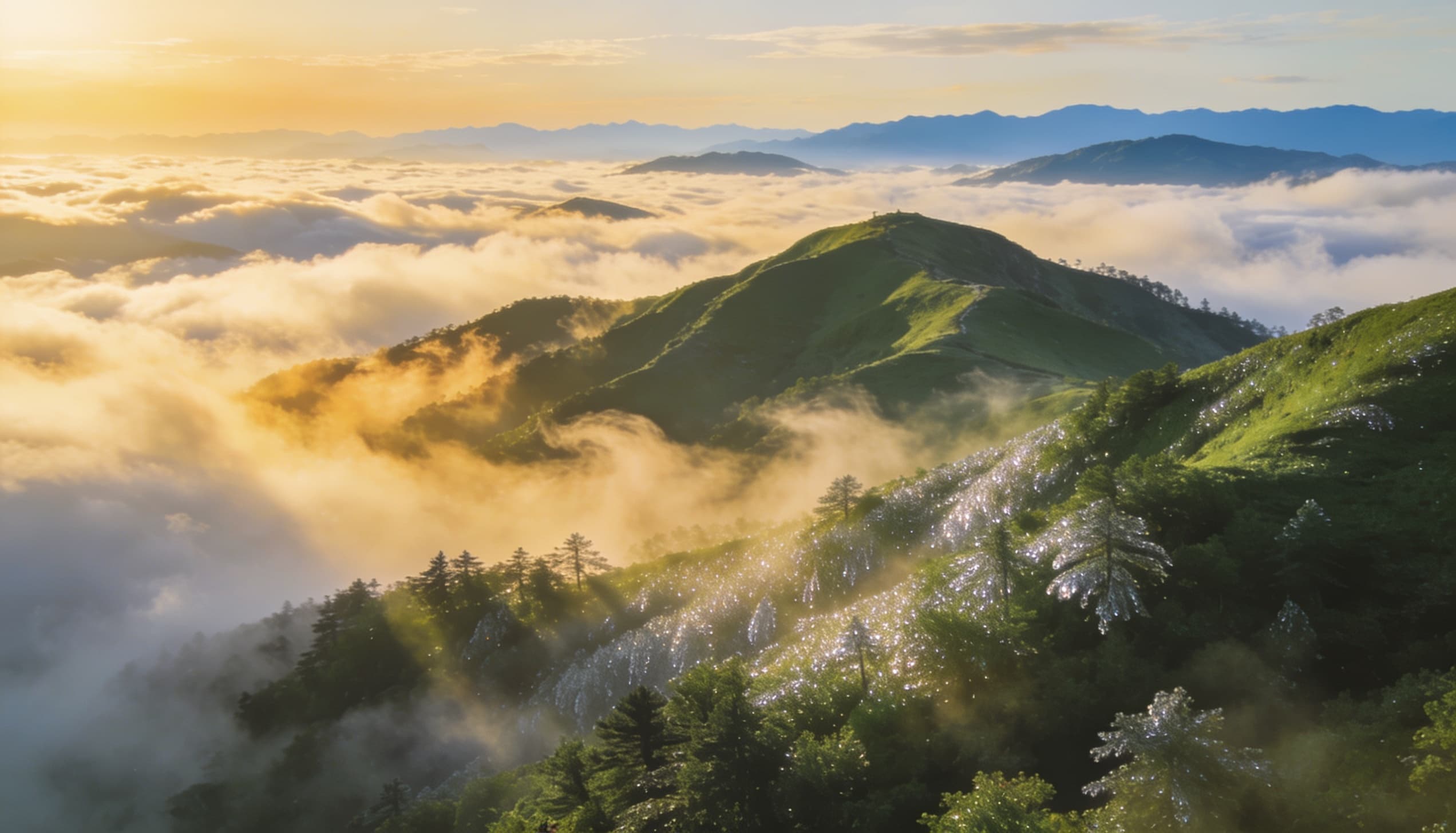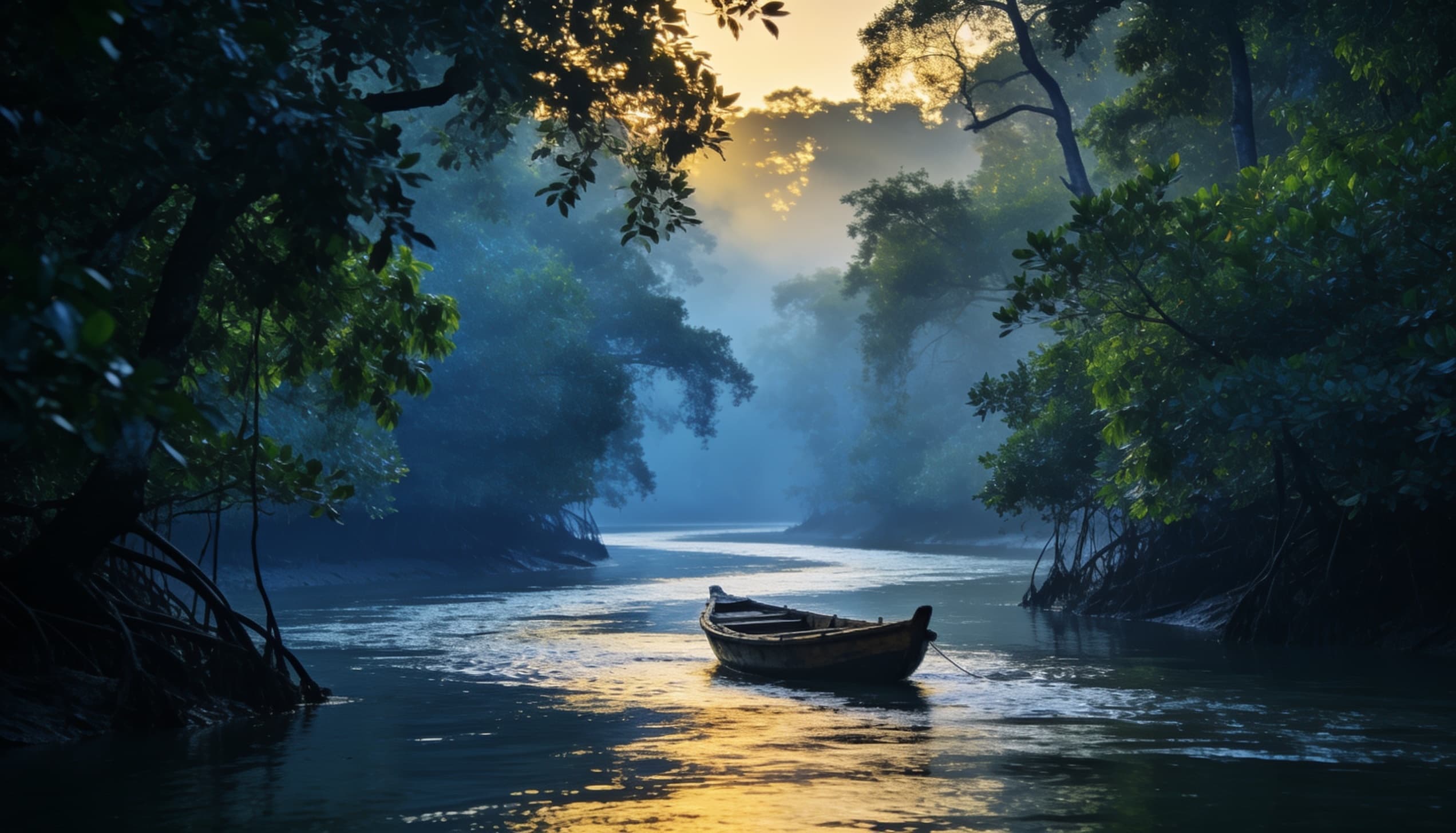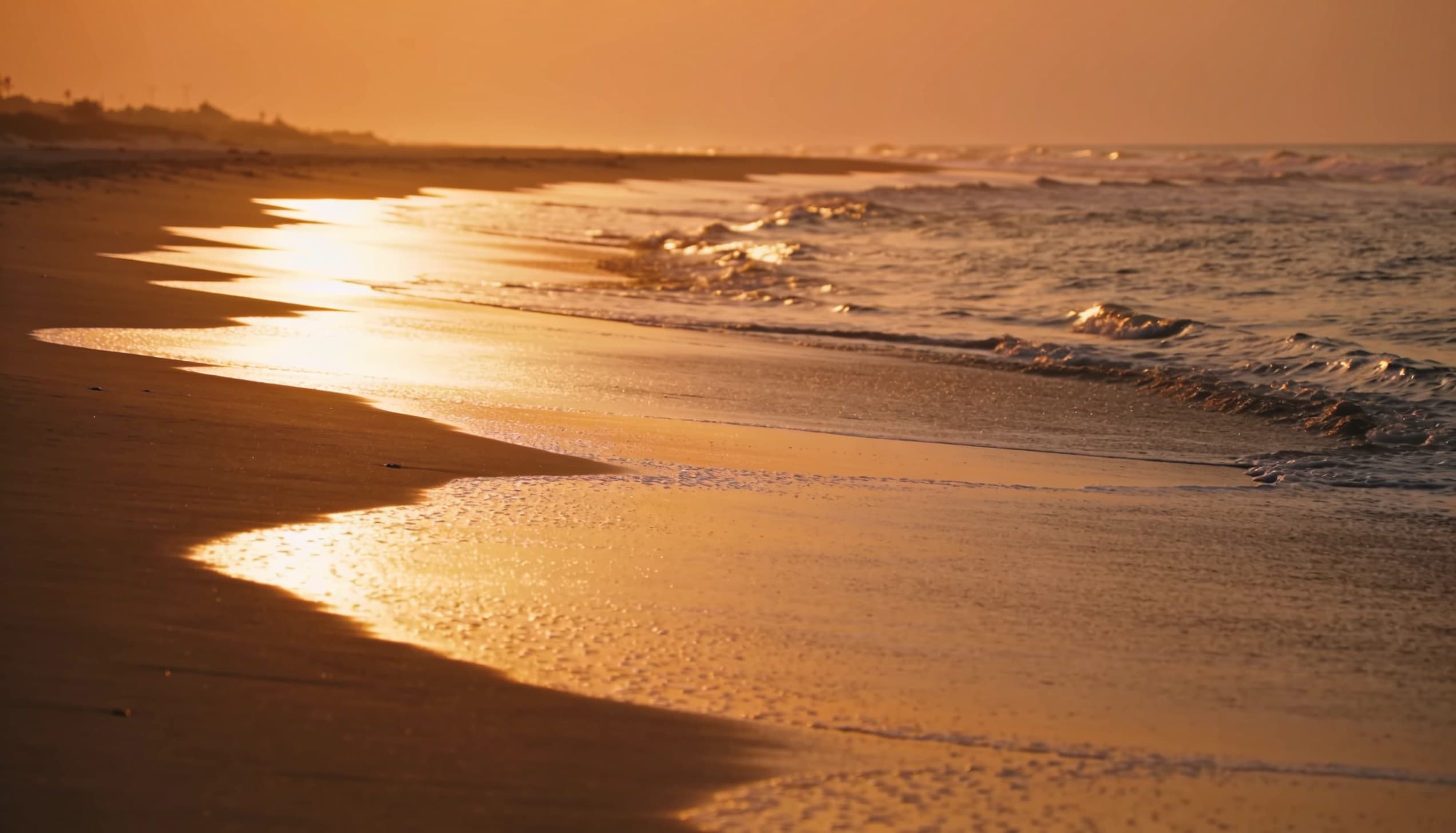
Cox's Bazar holds the world's longest unbroken natural sea beach, and it remains Bangladesh's most beloved holiday escape. Whether you want a quiet sunrise walk, a day trip to Himchari's waterfall, or fresh fish by the Bay of Bengal, this guide covers how to get there from Dhaka, when to go, where to stay for every budget, and the side trips worth your time.
Why Cox's Bazar
Cox's Bazar stretches roughly 120 kilometres of golden sand along the Bay of Bengal, drawing families, honeymooners and backpackers alike. The main town beach is busy and social, while a short drive south takes you to quieter stretches at Inani and Himchari where the crowds thin out and the scenery opens up.
It is an easy, visa-free, Taka-priced holiday that suits almost any budget — from backpacker guesthouses to beachfront resorts. For most Bangladeshis it is the default first beach holiday, and it rewards a little planning around season and timing.
Beyond the beach, the area offers waterfalls, marine drive scenery, island trips and some of the freshest seafood in the country. Two to three nights is enough for the highlights; four or five lets you slow down and explore the side trips properly.
Best time to visit
The peak season runs from late autumn through winter — roughly November to February — when the weather is dry, cool and sunny, the sea is calm and the sunsets are clear. This is the most comfortable time to visit, but also the busiest and priciest, especially around national holidays and weekends, so book accommodation well ahead.
October and early March are pleasant shoulder periods with thinner crowds and softer prices. The monsoon months (roughly June to September) bring heavy rain and rough, often dangerous seas — swimming is restricted and many activities pause, though the green, dramatic skies appeal to some travellers and rates drop sharply.
Whenever you go, time your days around the tides and the lifeguard flags. The early morning is best for a peaceful beach walk, and late afternoon for the famous sunset over the bay.
Getting there from Dhaka
The fastest route is to fly: domestic carriers run frequent flights from Dhaka to Cox's Bazar Airport in under an hour, and fares vary widely with how early you book and the season — booking ahead during peak winter is essential. From the airport, the town and hotel zone are a short ride away.
By road, air-conditioned coaches run overnight and through the day from Dhaka, typically taking around the better part of a day depending on traffic and the Padma Bridge route; non-AC services are cheaper but less comfortable for the long haul. Many travellers take the bus down and fly back, or vice versa.
A scenic option is to combine train and road — take a train toward Chattogram and continue by bus — though the direct bus or flight remains simplest. Once in town, reserved CNG auto-rickshaws, ride-hailing and rented cars cover the beaches and side trips.
The beaches: Laboni, Himchari, Inani
Laboni Beach is the main town beach, closest to the hotels, with vendors, beach chairs, photographers and the liveliest atmosphere — great for people-watching and sunset, less so for solitude. Sugandha and Kolatoli points nearby are equally popular and walkable from many hotels.
Himchari, a short drive south along the Marine Drive, pairs a quieter beach with a small waterfall and green hills — best after the rains when the fall is flowing. Inani Beach, further south, is famous for its coral-and-stone-studded sand and calmer, more photogenic setting, ideal for a half-day escape from the crowds.
The Marine Drive itself — running south along the coast — is one of the country's most beautiful coastal roads and worth a slow drive in its own right, stopping at viewpoints and quieter beaches along the way.
Side trips: Maheshkhali and beyond
Maheshkhali Island, reached by boat across the channel, offers a different pace — temples, a Buddhist pagoda on a hill, betel-leaf gardens, salt fields and dried-fish markets. It makes a rewarding half-day or full-day trip; agree the boat fare in advance and go earlier in the day for calmer water.
Sonadia Island and the mangrove-fringed coast nearby appeal to nature lovers and birdwatchers, while Ramu, inland, is known for its Buddhist monasteries and the large reclining Buddha. These add cultural depth to a trip that can otherwise be all sand and sea.
If you have more days and the season is right, the islands further out and the southern tip of the coast can extend the adventure — but check current access, transport and safety locally before committing, as conditions vary.
Where to stay, by budget
Cox's Bazar has a hotel for every wallet, mostly clustered around Kolatoli and Sugandha. Budget travellers can find clean guesthouses and simple hotels from a few hundred to around ৳1,500–৳3,000 a night off-peak; rates climb steeply in peak winter and on weekends, so book early.
Mid-range hotels with sea views, breakfast and pools typically run from around ৳3,500 to ৳8,000 a night depending on season and location, offering the best balance of comfort and value for families. Premium beachfront resorts go well above that, with full facilities for those wanting a self-contained stay.
Wherever you book, confirm the actual distance to the beach (some 'beachfront' hotels are a road crossing away), check recent reviews for cleanliness and water supply, and avoid arriving without a reservation during peak holidays when everything fills up.
What to eat
Seafood is the headline: fresh rupchanda (pomfret), coral fish, lobster, crab and prawns are grilled or fried at beachside stalls and restaurants around Kolatoli and Sugandha. Always confirm the price by weight before ordering grilled fish, as costs can climb quickly and tourist-area pricing varies.
For everyday meals, the town has plenty of rice-and-curry restaurants serving familiar Bangladeshi food at fair prices, plus the local dried-fish (shutki) specialities that the region is known for — an acquired but worthwhile taste. Street snacks, fresh coconut water and local sweets round out the experience.
Eat at busy, well-reviewed places, be cautious with raw or under-grilled seafood, and carry bottled water. A little care keeps an upset stomach from spoiling the trip.
Practical tips and common mistakes
Respect the sea: obey lifeguard flags, never swim during rough monsoon conditions, and stay within marked zones — the Bay of Bengal has strong currents and the beach is largely unsupervised outside main areas. Keep an eye on children near the water at all times.
Agree prices upfront for everything — beach photographers, jet-ski and water-bike rides, CNG fares and grilled fish — to avoid surprises, and keep valuables secure on the busy beach. Carry enough cash, as smaller vendors may not take cards, and sunscreen, a hat and modest beachwear suited to local norms.
The most common mistakes are visiting in monsoon expecting calm swimming, arriving in peak winter without a booking, and underbudgeting for seafood and transport. Plan the season, book ahead, and settle prices early — the rest takes care of itself.
Frequently asked questions
- What is the best time to visit Cox's Bazar?
- Late autumn through winter (around November to February) offers the driest, coolest weather and calmest sea, making it the most comfortable time. It is also the busiest and most expensive, so book early; October and early March are quieter, cheaper alternatives.
- How do I get to Cox's Bazar from Dhaka?
- The fastest way is a short domestic flight (under an hour). Air-conditioned coaches also run from Dhaka and take the better part of a day; many travellers fly one way and take the bus the other.
- Is it safe to swim at Cox's Bazar?
- It can be during the calm dry season if you obey lifeguard flags and stay in marked zones, as the Bay of Bengal has strong currents. Avoid swimming during the rough monsoon months when the sea is dangerous.
- How much does a Cox's Bazar trip cost?
- It suits any budget. Off-peak, budget rooms can be found from a few hundred Taka to ৳3,000 a night, mid-range hotels around ৳3,500–৳8,000, with prices rising sharply in peak winter and on weekends.
- What side trips are worth doing?
- Himchari (beach and waterfall), Inani (coral-studded sand), Maheshkhali Island (temples and pagoda), and a drive along the scenic Marine Drive are the standouts. Ramu's Buddhist monasteries add a cultural day if you have time.
Ready to plan this trip?
Our team plans every journey by hand, with honest pricing and real support. Tell us what you have in mind.