Hajj is the journey of a lifetime, and for most Bangladeshis it is also the most complex trip they will ever plan. This guide walks you through the entire 2026 process — from the moment you register with the Ministry of Religious Affairs to the day you land back at Dhaka — so nothing about the rites, the paperwork or the costs catches you off guard.
Two roads to Hajj: government vs private
Bangladeshi pilgrims perform Hajj under one of two channels. The Government Management (Sarkari) package is run by the Ministry of Religious Affairs and is usually the lower-cost option, while Private Management is operated by licensed Hajj agencies (HAAB members) who offer a range of packages from economy to premium. Both are bound by the same Saudi quota that the Kingdom allocates to Bangladesh each year.
Whichever road you choose, registration runs through the official Hajj portal and the Ministry's pre-registration system. Pre-registration gives you a serial number; because demand often exceeds the annual quota, your serial determines whether you go this year or wait. Many families pre-register a year or two ahead precisely to secure a place.
Pick a private agency only after confirming it holds a valid government licence for the current year — the Ministry publishes the approved list. Avoid any agent who asks for the full amount in cash with no receipt, no written package and no licence number. A genuine agency will give you an itemised contract.
Documents and registration checklist
Start with an e-passport valid for at least the period Saudi authorities require beyond your travel dates — renew early, because passport delays are the single most common reason pilgrims miss their group. You will also need recent passport-size photographs that meet Saudi visa specifications (white background, specific dimensions), and your National ID.
Hajj is performed under the Nusuk / Saudi e-visa system, so your agency or the Ministry will process the visa centrally — you generally do not apply individually at an embassy. Keep digital and printed copies of your passport, NID, vaccination certificate, package contract and payment receipts in a single folder you can reach instantly.
Mahram rules matter: women travelling for Hajj have historically needed a mahram (a qualifying male guardian) or to travel within an approved organised women's group under Saudi rules. Confirm the current arrangement with your agency well before you pay, especially if you are a woman travelling without immediate male family.
What it costs in 2026
Hajj is a major expense and prices move every year with airfare, the Saudi riyal exchange rate and accommodation in Makkah and Madinah. As a realistic 2026 planning range, government packages have typically sat in the lower band while private packages span a wide spread depending on hotel distance from the Haram, room occupancy and flight timing — budget several lakh Taka, and treat anything dramatically cheaper than the published government rate with suspicion.
Beyond the package price, set aside a personal fund of roughly ৳40,000–৳1,00,000 for the qurbani (sacrifice) cost if not included, the Tarwiyah/Mina transport tier you select, local food outside hotel meals, a SIM card, gifts and zamzam water. Ask explicitly whether qurbani, train/bus between cities, and the Mina tent category are inside or outside your quoted price — these are the items packages quietly vary on.
Pay in traceable instalments against receipts, and keep your contract. The cheapest package is rarely the best value: a hotel 2 km from the Haram in fierce heat, with multiple people per room, can make an 'affordable' package physically punishing for elderly pilgrims.
Health, vaccinations and fitness
A meningococcal (ACWY) vaccination is mandatory for Hajj and Umrah visas, and you must carry the certificate. Saudi authorities also issue seasonal health requirements — check for any current polio, influenza or other recommendations through your agency and the designated vaccination centres in Bangladesh before you travel.
Hajj is physically demanding: you will walk many kilometres, climb, and stand for long hours in heat that can be extreme. If you have diabetes, heart conditions, asthma or mobility issues, see your doctor for a fitness assessment and a clearly labelled supply of medicines in original packaging, with prescriptions, enough for the full trip plus a buffer.
Pack a personal medical kit: ORS sachets for dehydration, paracetamol, blister plasters, antiseptic, anti-chafing balm, sunscreen, a refillable water bottle and any chronic medication. Dehydration and heat exhaustion are the real day-to-day risks — drink water constantly, even when you do not feel thirsty.
The rites, day by day
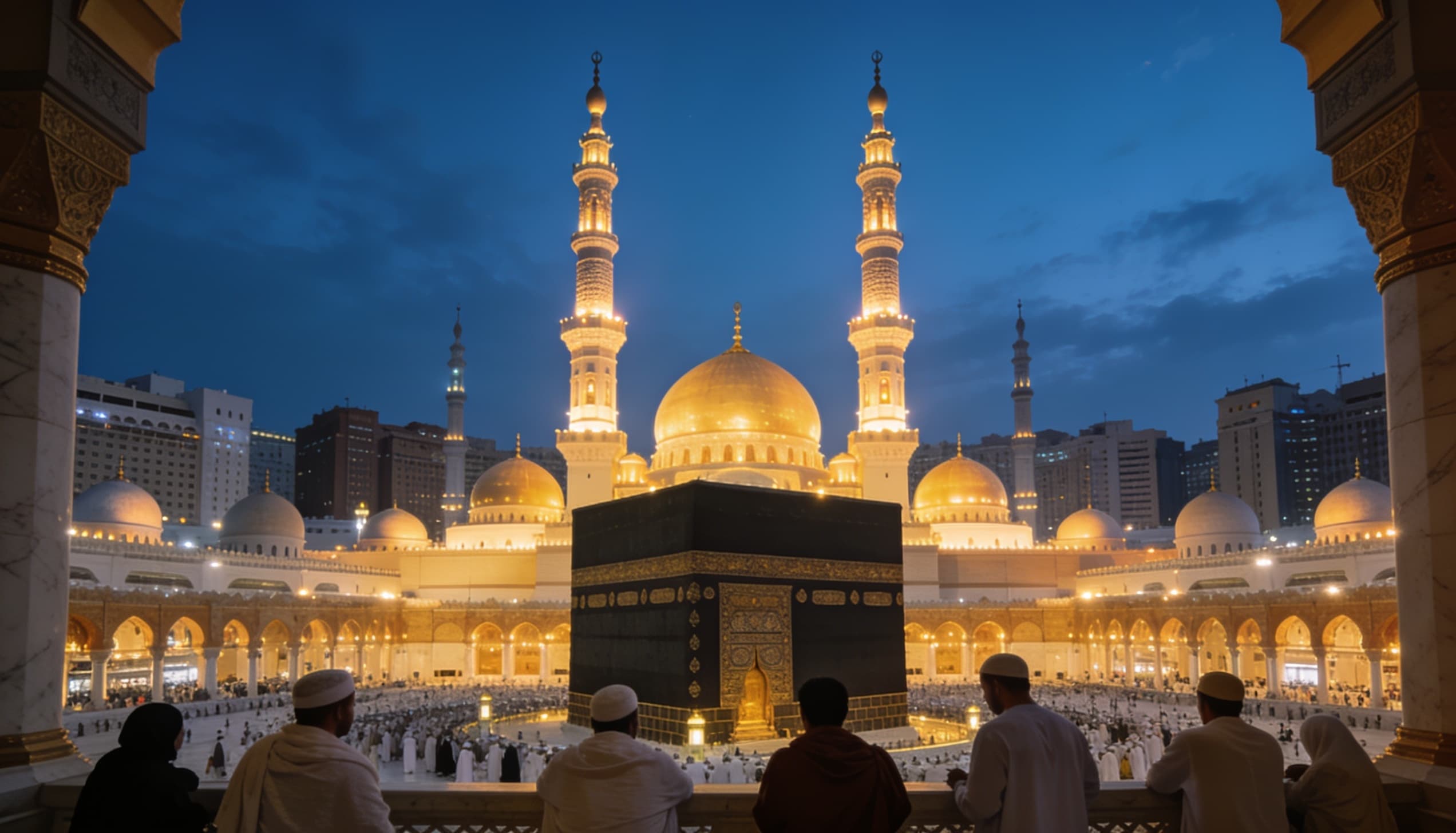
Hajj follows a fixed sequence over the days of Dhul-Hijjah. After entering ihram, pilgrims perform the first tawaf and sa'i on arrival in Makkah, then on the 8th (Yawm at-Tarwiyah) move to Mina. The 9th is the day of Arafah — the heart of Hajj — spent in prayer and supplication on the plain of Arafat until sunset.
After Arafah you proceed to Muzdalifah, where you spend the night under the open sky and gather pebbles. On the 10th (Eid day) comes the stoning of the largest jamarah, the qurbani sacrifice, and shaving or trimming of the hair, after which you perform Tawaf al-Ifadah. The 11th, 12th (and for some the 13th) are spent in Mina completing the remaining stoning rituals.
Your final act before leaving Makkah is Tawaf al-Wada, the farewell tawaf. Follow your group leader (muallim) closely throughout — phones lose signal in crowds, so agree on a meeting point and carry your group's identification wristband and tent/bus number at all times.
Madinah and the wider journey
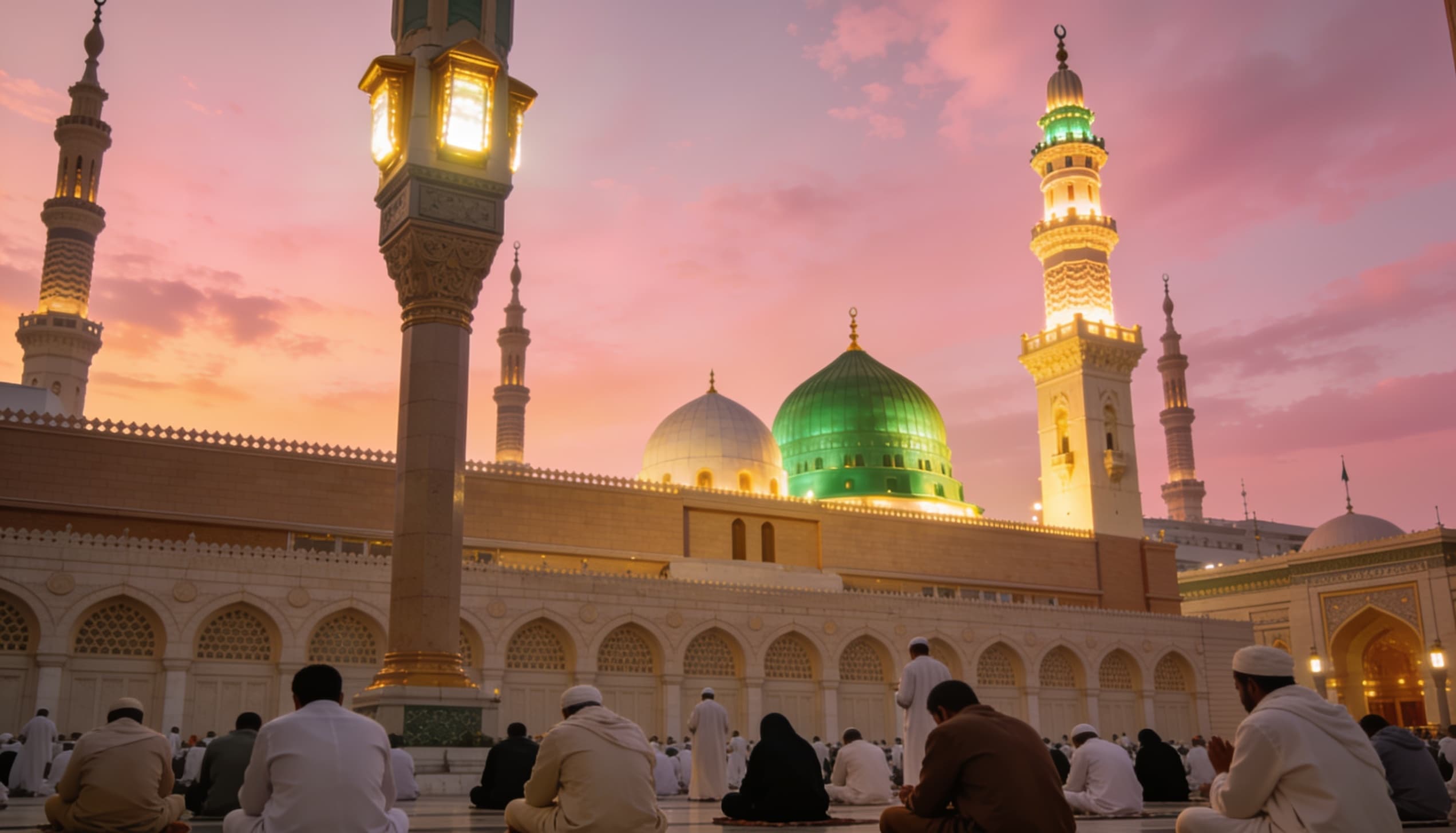
Most packages include a stay in Madinah, either before or after the Hajj rites, to visit Masjid an-Nabawi and pray in it. The atmosphere in Madinah is calmer than Makkah during the Hajj peak, and many pilgrims find it the most peaceful part of the trip. Confirm how many nights your package allots and whether the hotel is within walking distance of the mosque.
Travel between Jeddah, Makkah and Madinah may be by bus or by the high-speed Haramain train depending on your package — the train is faster and more comfortable, so it is worth asking which you are getting. Internal transport quality is one of the biggest differences between a smooth Hajj and an exhausting one for older travellers.
Keep expectations realistic about crowds. Millions of people perform Hajj simultaneously; queues, waiting and packed transport are normal. Patience, good shoes and a calm temperament will serve you better than any premium add-on.
What to pack
For men, bring two or more sets of ihram cloth plus a belt with pouch; for women, comfortable, modest, breathable clothing suited to extreme heat. Everyone should pack the most comfortable broken-in walking sandals they own, plus a spare pair, and an unscented soap, toothpaste and toiletries to use while in ihram (scented products are avoided in that state).
Practical essentials: a lightweight prayer mat, a small umbrella for sun, a refillable water bottle, a money belt, a power bank, a universal adapter, copies of all documents, and a draw-string bag to carry your sandals into the mosque. A whistle or a brightly coloured bag can help your group spot you in a crowd.
Travel light on everything except medicine and documents. You can buy most things in Makkah and Madinah, and you will want luggage space for zamzam water, dates and gifts on the way home.
Coming home and common mistakes
On the return leg, follow your agency's instructions for zamzam allocation — there are limits on how much you can carry, and reputable packages arrange a sealed allowance. Confirm your return flight details a few days ahead, as Hajj-season schedules can shift.
The most common mistakes are avoidable: leaving the passport renewal too late, choosing a package purely on price, ignoring fitness preparation, packing scented toiletries for use in ihram, and not memorising the group's tent and bus numbers. Each of these turns a sacred journey into needless stress.
Finally, plan for the emotional and physical comedown. Many pilgrims return drained and elated at once. Rest, rehydrate, and give yourself a few quiet days at home before resuming normal life.
Frequently asked questions
- How early should I register for Hajj from Bangladesh?
- Pre-register through the Ministry's system as early as you can, ideally a year or more ahead. Because Bangladesh's annual quota is limited, your pre-registration serial number can determine whether you travel this year or wait.
- Is the government package always cheaper than private?
- The government (Sarkari) package is usually the lower-cost baseline, but a well-chosen private package can offer better hotels closer to the Haram and the Haramain train. Compare what is actually included — qurbani, transport tier and hotel distance — not just the headline price.
- Can a woman go for Hajj from Bangladesh without a mahram?
- Rules have historically required a mahram or travel within an approved organised women's group under Saudi regulations. Confirm the exact current arrangement with your licensed agency before paying, as the policy can change year to year.
- Which vaccinations are mandatory?
- The meningococcal (ACWY) vaccine is required for the Hajj visa and you must carry the certificate. Check with your agency and the designated vaccination centres for any additional seasonal requirements before you travel.
- How do I avoid a fraudulent Hajj agency?
- Only use agencies on the Ministry's current approved (HAAB-licensed) list, insist on a written itemised contract with the licence number, and pay in traceable instalments against receipts. Never hand over the full amount in cash with no paperwork.
Ready to plan this trip?
Our team plans every journey by hand, with honest pricing and real support. Tell us what you have in mind.