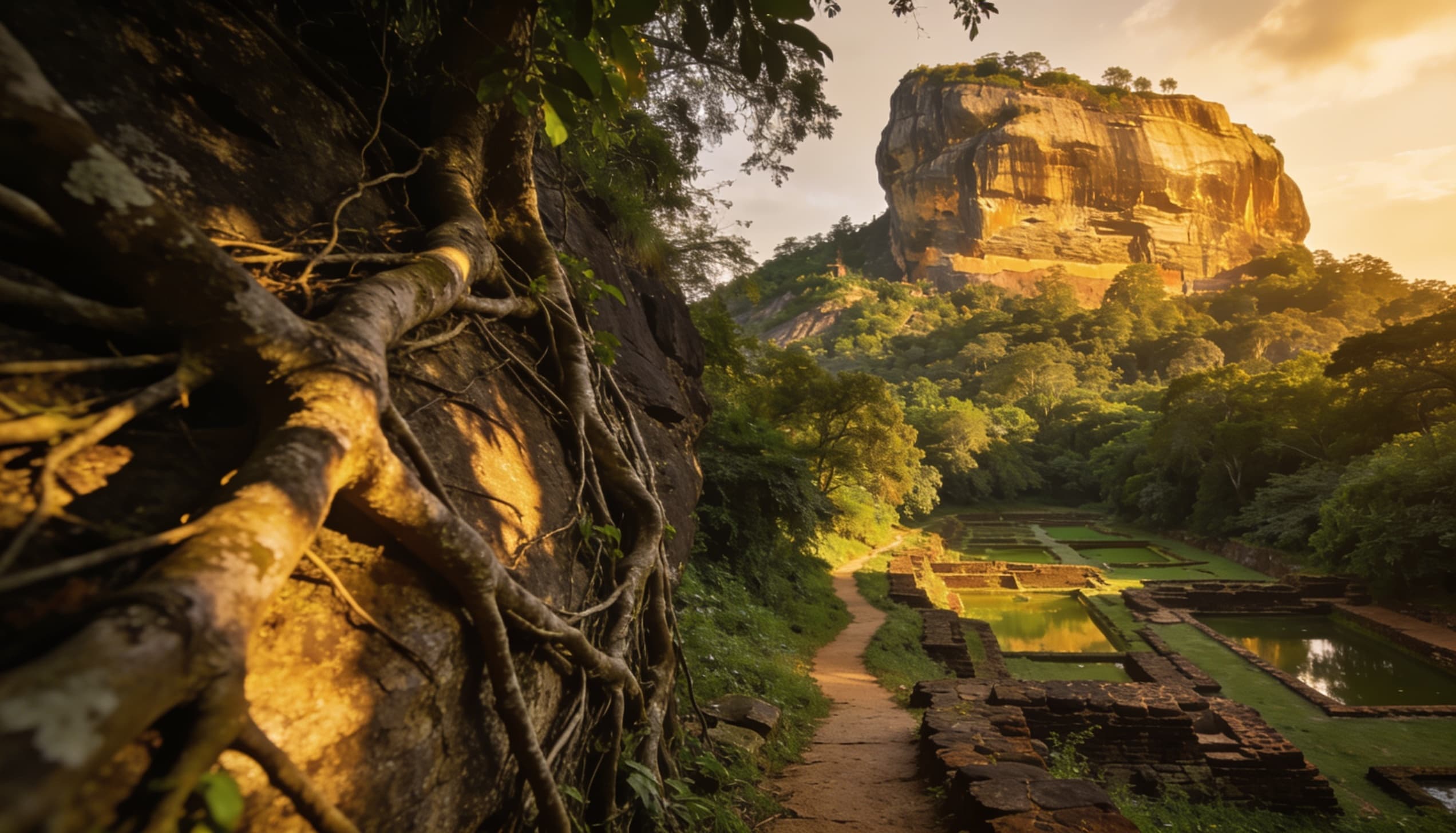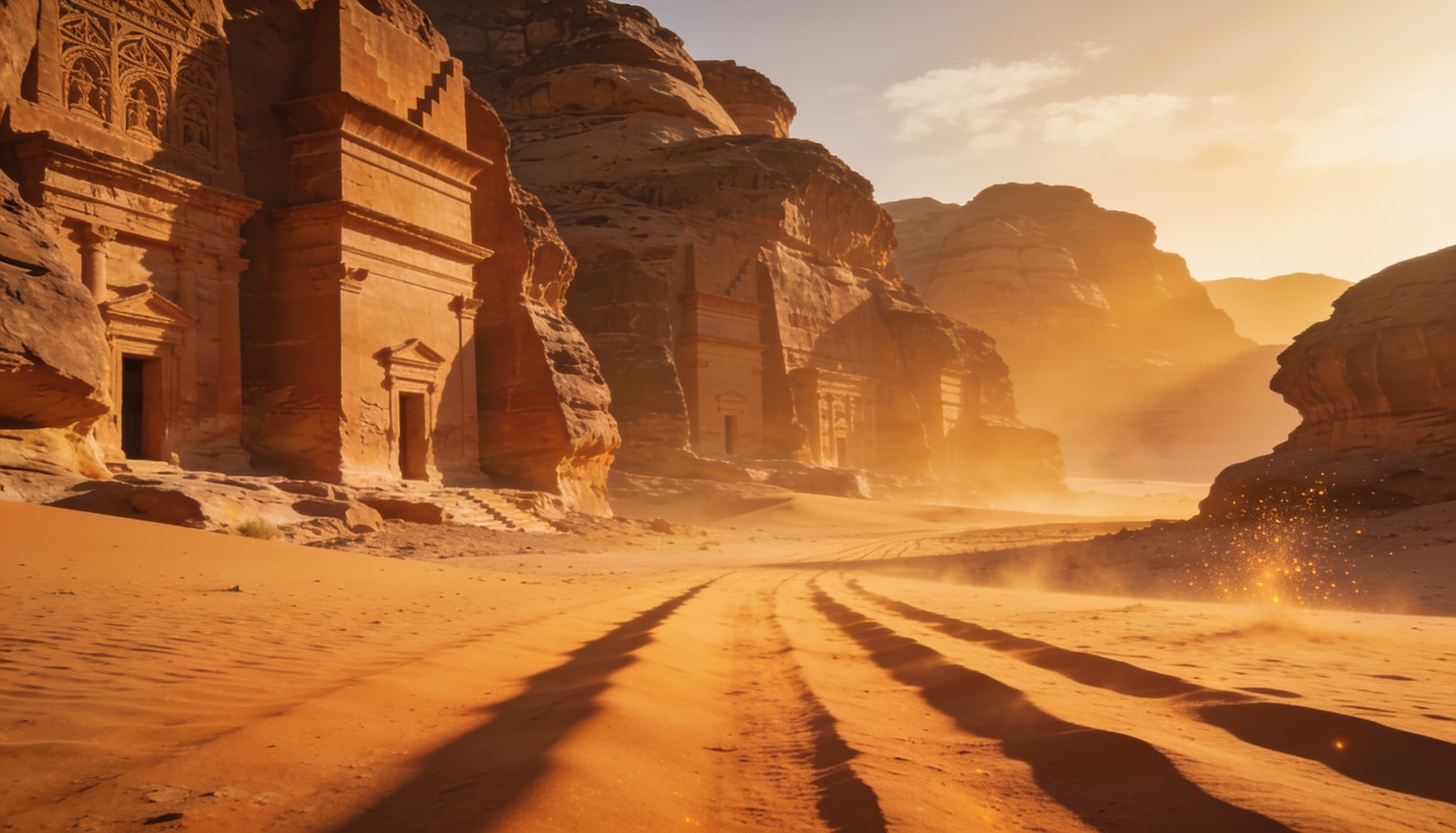
For generations, Bangladeshis knew Saudi Arabia as the land of Umrah and Hajj, glimpsed only through Makkah and Madinah. That has changed. A tourist visa now lets you wander Nabataean tombs at Hegra, eat at Riyadh's new restaurants and stand at the Edge of the World, all on the same trip you'd anchor around the holy cities.
Why Saudi Arabia is suddenly on the travel map
For most Bangladeshi families, Saudi Arabia has always meant pilgrimage. You went for Umrah or Hajj, you saw Makkah and Madinah, and you flew home. Tourism, in the leisure sense, simply wasn't on offer. That ended when the Kingdom opened a dedicated tourist visa as part of its Vision 2030 push to diversify away from oil, and the country has been investing heavily in heritage sites, hotels and infrastructure ever since.
What makes this exciting for travellers from Dhaka is proximity and familiarity. You already know the rhythm of the place, the language of the prayer call, the food that overlaps with our own. Now you can pair the spiritual heart of the country with genuine sightseeing: ancient tombs carved into desert rock, a capital city that has transformed in a decade, and dramatic cliffscapes a short drive from the city.
Think of this guide as the case for going beyond Umrah. You can still perform Umrah, then extend the trip by a week and see a Saudi Arabia most Bangladeshis have never imagined existed.
The new tourist visa: what Bangladeshis need to know
Saudi Arabia offers a tourist e-visa that many nationalities, including Bangladeshis in eligible categories, can apply for online or on arrival under certain conditions. The most reliable route for a Bangladeshi passport holder is the online tourist visa application, which is typically a one-year, multiple-entry visa allowing stays of up to 90 days per visit. Always confirm current eligibility on the official Saudi visa portal before booking, because the rules for South Asian passports are reviewed periodically.
Crucially, the tourist visa lets you perform Umrah as well, so you no longer need a separate Umrah visa for an off-season trip. This is the key change: one visa, two purposes. You can land, do Umrah in Makkah, then travel to AlUla and Riyadh as a tourist on the same document.
Practical paperwork is straightforward: a passport valid for at least six months, a recent photograph, a confirmed return ticket, proof of accommodation and sometimes proof of funds. The visa fee plus mandatory health insurance generally lands in the rough range of ৳15,000 to ৳22,000 depending on the exchange rate and any service charges, so budget for that on top of flights.
One caveat worth stating plainly: visa policy for Bangladeshi nationals can shift, and some applicants are still routed through Umrah-specific channels or asked for additional documents. Apply early, keep your paperwork clean, and if anything is unclear, use a reputable Dhaka travel agent who processes Saudi visas regularly rather than gambling on a self-application a week before travel.
AlUla and Hegra: Saudi's open-air museum
If you see one new thing in Saudi Arabia, make it AlUla. This is a vast oasis region in the northwest, and its crown jewel is Hegra (Mada'in Salih), the Kingdom's first UNESCO World Heritage Site. Here, more than a hundred monumental tombs were carved into sandstone outcrops by the Nabataeans, the same civilisation that built Petra in Jordan. Standing before these facades in near silence, with desert stretching in every direction, is genuinely humbling.
Beyond Hegra, AlUla rewards slow exploration. There is Dadan, capital of ancient kingdoms; Jabal Ikmah, an open-air library of pre-Arabic inscriptions; and Elephant Rock, a natural sandstone arch that glows at sunset and has become the region's signature photo. AlUla Old Town, a mudbrick maze that was inhabited until recent decades, has been sensitively restored with cafes and craft shops.
Access is managed: many sites require booking through the official AlUla experiences platform, often with a guide and a shuttle, so plan ahead rather than turning up. Getting there from Jeddah or Riyadh is easiest by a short domestic flight to AlUla airport, then a hire car or organised tours. Give AlUla at least two full days, three if you can.
A realistic budget here is higher than the rest of your trip. AlUla positions itself as a premium destination, so expect mid-range hotels from roughly ৳18,000 to ৳35,000 a night, with desert resorts climbing well above that. Site tickets and guided experiences add up, so reserve a meaningful slice of your budget for these two or three days.
Riyadh: the capital reinventing itself
Riyadh has changed faster than almost any city in the region. The skyline is anchored by the Kingdom Centre tower, whose Sky Bridge gives a sweeping view, and the city now hums with new museums, parks, dining districts and a season of festivals and concerts during the cooler months. For a Bangladeshi traveller who last pictured Saudi Arabia as conservative and closed, Riyadh today is a surprise.
Start with Diriyah, the ancestral home of the Saudi state, where the restored mudbrick district of At-Turaif is another UNESCO site and a beautiful evening stroll. The National Museum gives context to the whole country's history, and Boulevard City and similar entertainment zones offer the kind of dining and family fun that simply did not exist a decade ago.
Riyadh is also your launchpad for the Edge of the World. The city itself is sprawling and car-dependent, so budget for ride-hailing apps, which work well and are reasonably priced. Hotels span every tier, with comfortable mid-range options around ৳9,000 to ৳18,000 a night.
Two days in Riyadh is enough to get a strong feel: one for the historic and cultural sites, one for a day trip out to the cliffs.
The Edge of the World: a day trip you won't forget
About 90 minutes to two hours northwest of Riyadh, the Tuwaiq escarpment drops away into a seemingly endless plain, earning it the nickname the Edge of the World (Jebel Fihrayn). Standing on the lip of the cliff with the desert floor far below is one of the most dramatic natural experiences in the region, and it costs almost nothing beyond transport.
The catch is access. The final stretch is rough off-road terrain, so you should not attempt it in an ordinary sedan or alone. The sensible approach is an organised half-day or full-day tour from Riyadh, often combined with nearby spots like the Hidden Valley, which handles the 4x4 driving and timing for you.
Go in the late afternoon so you reach the cliff edge for sunset, then experience the silence as the desert cools. Carry plenty of water, wear proper shoes for uneven rock, and bring a light layer because desert evenings drop in temperature quickly even after a hot day. This is a highlight that needs almost no budget but pays back enormously.
When to go and what it costs from Dhaka
The honest answer on timing: avoid the summer. From roughly May to September, central and northern Saudi Arabia is brutally hot, with daytime temperatures regularly above 40C, which makes AlUla and the Edge of the World genuinely unpleasant and even risky. The sweet spot is November to March, when days are warm and pleasant and evenings are cool. AlUla in particular shines in winter, and Riyadh's festival season also falls in these months.
Flights from Dhaka to Jeddah or Riyadh are well served by carriers including Saudia, Biman Bangladesh and various one-stop options through the Gulf. Return economy fares typically run from around ৳65,000 to ৳110,000 depending on season and how early you book; expect the higher end around peak Umrah periods and winter holidays.
For a one-week trip combining Umrah, AlUla and Riyadh, a mid-range traveller from Dhaka should budget broadly in the range of ৳2,00,000 to ৳3,50,000 per person including flights, visa, internal flights, hotels, transport and food. You can trim this with budget hotels and group tours, or push well above it with desert resorts in AlUla.
Sample one-week itinerary
Days 1-2: Land in Jeddah, transfer to Makkah, perform Umrah and rest. Use the second day for the Grand Mosque at a calmer hour and to recover from the journey. If time allows, see a little of historic Jeddah's Al-Balad district before moving on.
Days 3-4: Fly to AlUla. Spend a full day at Hegra and Dadan with a guide, then a second day on Jabal Ikmah, Elephant Rock and AlUla Old Town, finishing with sunset. This is the heritage core of the new Saudi tourism.
Days 5-6: Fly to Riyadh. Explore Diriyah and the National Museum on one day, then take an afternoon-to-sunset 4x4 tour to the Edge of the World on the next.
Day 7: A relaxed final morning in Riyadh for shopping or a museum you missed, then fly home. Adjust the order if you prefer to end the trip with Umrah for a spiritual close.
Practical tips and common mistakes
Dress modestly but comfortably. The strict abaya-only expectation has relaxed for visitors, and modest loose clothing is fine in most public settings, though women should carry a scarf and everyone should dress conservatively at religious sites. Respect prayer times, when many shops briefly close.
Don't try to do AlUla as a rushed day trip; it is far from the holy cities and deserves its own domestic flight and at least two nights. Equally, don't underestimate distances. Saudi Arabia is enormous, so internal flights, not road trips, are how you connect Jeddah, AlUla and Riyadh efficiently.
Book heritage site experiences in advance, especially in AlUla, where entry is managed and popular slots sell out in winter. Keep digital and paper copies of your visa, hotel bookings and return ticket. Carry a local SIM or eSIM for maps and ride-hailing, both of which you will use constantly.
Finally, build in a buffer day if your trip includes Umrah during a busy period, because crowds and transfers can run slower than planned. A little slack in the schedule turns a stressful trip into a memorable one.
Frequently asked questions
- Can I do Umrah on the Saudi tourist visa?
- Yes. The tourist visa now permits Umrah for off-season visits, so you can perform Umrah and travel as a tourist on the same document. Confirm current rules on the official Saudi visa portal before you book.
- Is Saudi Arabia safe and easy for Bangladeshi tourists?
- Yes, it is generally very safe, with low crime and good infrastructure. The main challenges are heat in summer and large distances between cities, both managed by travelling in winter and using domestic flights.
- How many days do I need to see AlUla and Riyadh together?
- Plan at least five to seven days beyond any Umrah portion. Give AlUla two to three days because of its size and managed site access, and Riyadh two days including the Edge of the World trip.
- What is the best time of year to visit?
- November to March, when temperatures are pleasant by day and cool at night. Avoid May to September, when central and northern Saudi Arabia regularly exceeds 40C and outdoor sites become uncomfortable.
- Do women have to wear an abaya?
- No, an abaya is no longer required for visitors. Modest, loose clothing is acceptable in most public places, though a headscarf is sensible to carry and conservative dress is expected at religious sites.
Ready to plan this trip?
Our team plans every journey by hand, with honest pricing and real support. Tell us what you have in mind.